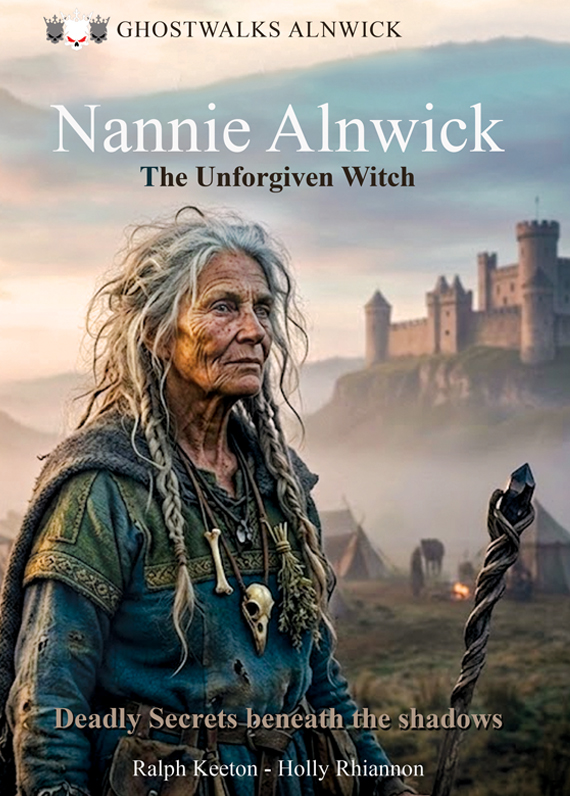
Alnwick - Potted History
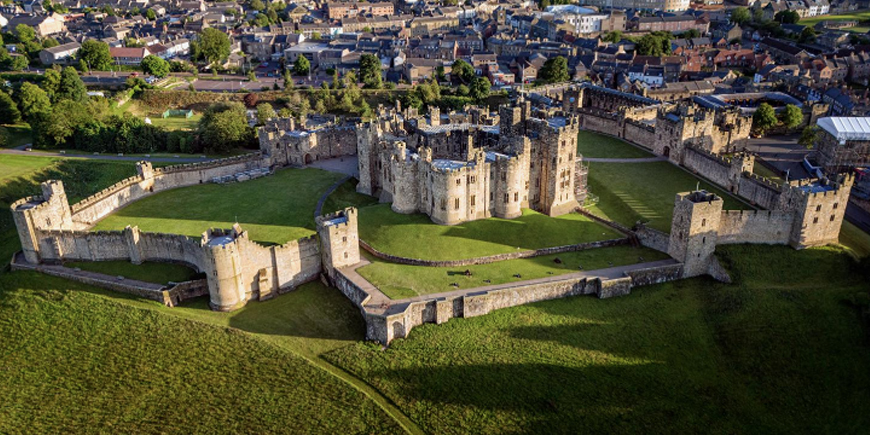
Nestled in the heart of Northumberland, Alnwick is a historic market town where medieval grandeur meets the mysteries of England’s turbulent past. Dominated by the magnificent Alnwick Castle, home to the powerful Percy family, its ancient streets whisper tales of battles, betrayal, witchcraft and untimely death.
Beyond its picturesque stone buildings and cobbled lanes lies a darker history, shaped by centuries of border warfare, Scottish invasions, executions and unsettling folklore. From the blood-soaked battlefields surrounding its walls to the strange legends lingering in its shadowy corners, Alnwick offers a fascinating journey into Britain’s extraordinary and often sinister history.
Alnwick - Odd history
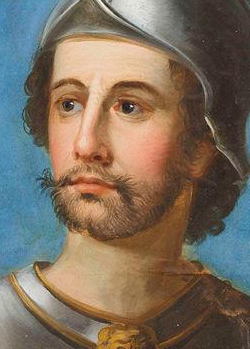
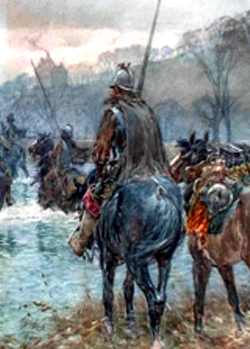
The Percy Dynasty
Rising above the River Aln, Alnwick Castle has witnessed nearly a thousand years of conflict, ambition and aristocratic power. Built in the late eleventh century, it became the stronghold of the Percy family, one of the most influential noble dynasties in Northern England.
A lasting Percy dynasty famous, bloodstained, re-invented
// many a book and film legend are based on the castle
The Percys were no strangers to rebellion, bloodshed or political intrigue. Their fortunes were intertwined with the turbulent relationship between England and Scotland, and their lands frequently stood in the path of invading armies.
Behind the castle's imposing walls, generations of noblemen plotted, fought and negotiated for power. Its history includes rebellion against the Crown, violent feuds and the shifting loyalties of medieval England.
For anyone exploring Alnwick's darker past, the castle provides a formidable starting point: a monument to the ambitions and dangers of a world in which power was frequently won and lost through blood.
1174: A Kings Violent End
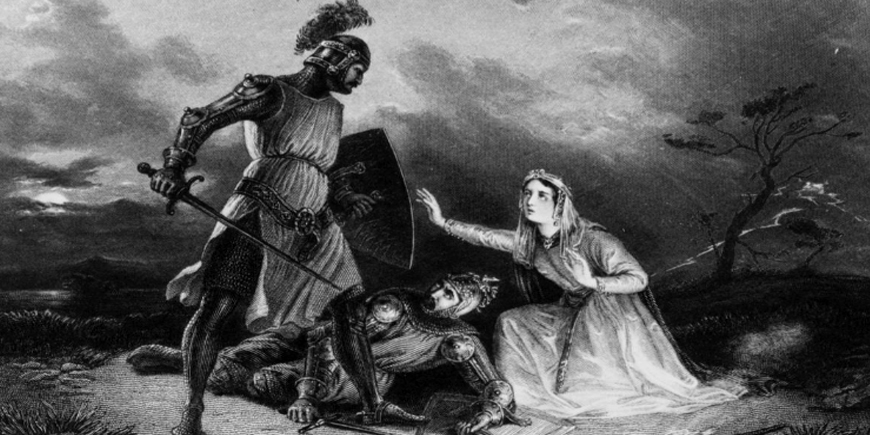
In November 1093, the lands surrounding Alnwick became the setting for a dramatic confrontation between England and Scotland. King Malcolm III of Scotland, known as Malcolm Canmore, had invaded Northumberland. During the campaign, he and his son Edward were killed near Alnwick. According to later historical accounts, Malcolm was killed during an encounter with English forces. Edward died from wounds sustained during the same campaign. The deaths of the Scottish king and his heir plunged Scotland into a succession crisis. Malcolm's death helped trigger a struggle for the Scottish throne, while his wife, Margaret, died shortly afterwards. The event remains one of the most significant episodes in Alnwick's early history: a violent royal tragedy that helped shape the politics of medieval Britain.
1174: A Kings Capture
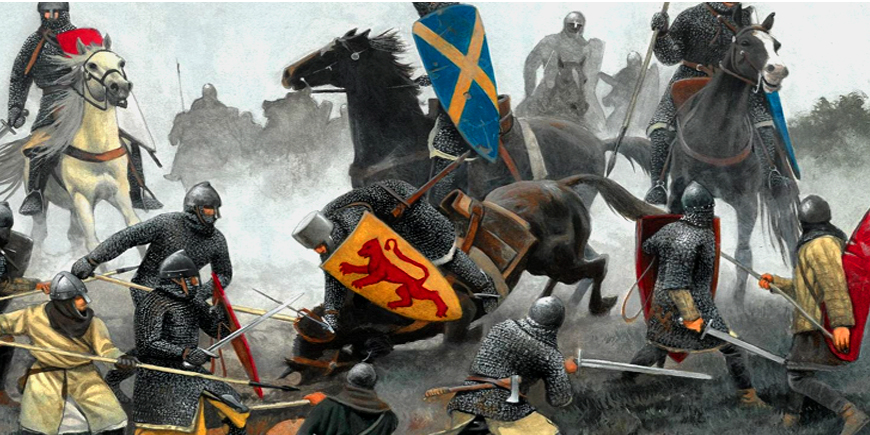
The Percy family’s history is filled with rebellion and violent political reversals. One of its most famous members was Sir Henry Percy, better known as Harry Hotspur, a celebrated warrior whose courage and temper became legendary. Hotspur initially supported King Henry IV, but eventually rebelled against him. In 1403, the conflict culminated in the Battle of Shrewsbury, where Hotspur was killed. His father, Henry Percy, 1st Earl of Northumberland, continued to challenge royal authority. After further rebellion, he was killed in 1408. The Percy story is a reminder that medieval power could be precarious. Noble families who commanded castles, armies and vast estates could still find themselves branded traitors, stripped of influence or executed. Alnwick Castle, as the Percy stronghold, was intimately connected to these turbulent events.
The Border Reivers: Raiders of the North
For centuries, the Anglo-Scottish borderlands were troubled by raiding, cattle theft, kidnapping and violent feuds. The Border Reivers operated across the frontier, often belonging to powerful families whose loyalties were shaped more by kinship and survival than by national allegiance. Northumberland, including the lands around Alnwick, was exposed to the consequences of this unsettled frontier. Livestock could be stolen overnight. Families might retaliate against their neighbours, and disputes could continue across generations. Local communities lived with the possibility of sudden violence. The reiving tradition gave rise to stories of daring escapes, bloody revenge and notorious family rivalries. Some tales have become heavily romanticised, but the underlying history was often harsh. For ordinary people, the border was not merely a line on a map. It was a dangerous landscape where the threat of violence could arrive without warning.
Witchcraft, Accusations and the Fear of the Unexplained
Northumberland's history contains numerous traditions involving witches, charms, curses and supernatural beliefs. In early modern Britain, unexplained illness, livestock deaths, crop failures and personal misfortune could sometimes lead to accusations of witchcraft. Such accusations reflected the religious beliefs, social tensions and fears of the period. The wider Northumberland region has stories of cunning folk, protective charms and suspected witches, although individual legends must be distinguished from documented prosecutions. Alnwick's ancient streets and surrounding villages provide a compelling setting for exploring these beliefs. However, a responsible historical account should not present every local witch story as a verified event. The darker truth is that accusations of witchcraft could have serious consequences. Across Britain, people were imprisoned, tried and, in some cases, executed because their neighbours believed they possessed harmful supernatural powers.
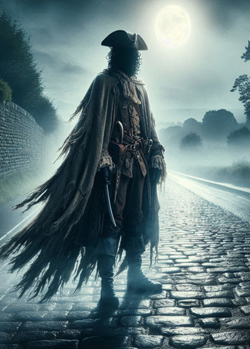
The Gallows, Executions and the Spectacle of Justice
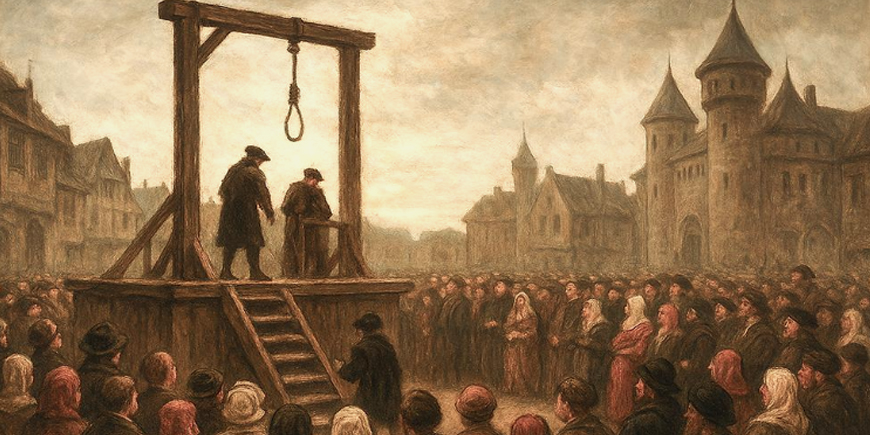
For much of its history, public punishment was intended not only to penalise offenders but also to deter others. In medieval and early modern England, serious crimes could carry severe sentences, including execution. Punishments varied according to the period, the crime and the legal status of the accused.
Odd laws, Odd times War, Crime and Death
// many a book and film legend are based on the castle
Northumberland's border history brought additional complications. Raiding, theft, rebellion and violence could be treated as threats to royal authority, particularly during periods of conflict. Public executions and the display of punishment were part of the wider historical landscape, although specific claims about individual Alnwick gallows sites or executions require documentary evidence. The prospect of death by law added another layer to the town's darker past: a reminder that justice in earlier centuries could be public, brutal and deeply shaped by power.
The Strange and Mysterious Side of Alnwick
Beyond its documented wars and political tragedies, Alnwick has the ingredients of a place that invites mysterious storytelling. Its medieval architecture, ancient landscape, historic buildings and surrounding countryside provide a rich backdrop for ghost stories, local legends and tales of unexplained encounters. Stories associated with historic towns often evolve over generations. A strange sound becomes a haunting; an unusual sight becomes an apparition; an abandoned building gathers tales of tragedy. These accounts can be fascinating, but they need to be approached with care. A reported haunting is not automatically proof of a paranormal event, and a local legend is not necessarily a historical record. For a book exploring Alnwick's mysteries, the distinction between documented history, local folklore and modern paranormal testimony can make the narrative more compelling rather than less
A Town Where 'History and Mystery' Meet
Alnwick's past is far more than a picturesque story of castles and noble families. It is a history shaped by invasion, royal deaths, rebellion, border violence and the fears of earlier generations. The deaths of Malcolm III and his son, the capture of William the Lion, and the Percy family's repeated struggles against royal authority all reveal the extraordinary events that unfolded in and around this Northumberland town. Add the region's witchcraft traditions, folklore and ghost stories, and Alnwick becomes a fascinating setting for investigating the boundaries between historical fact and supernatural legend. Its greatest mystery may be how much of the past still remains hidden in the stories, buildings and landscapes that surround us.
Amazing history Alnwick the unforgiven, but who is back..
// who said ghosts are dead...